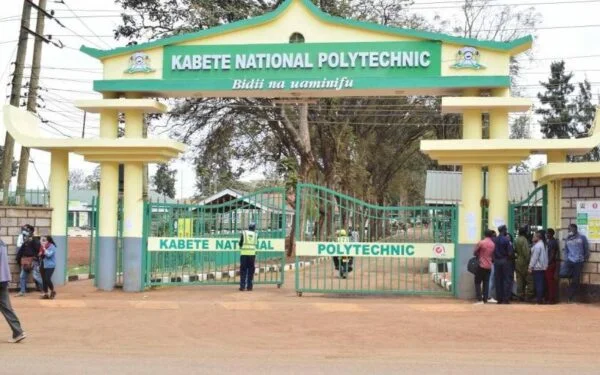
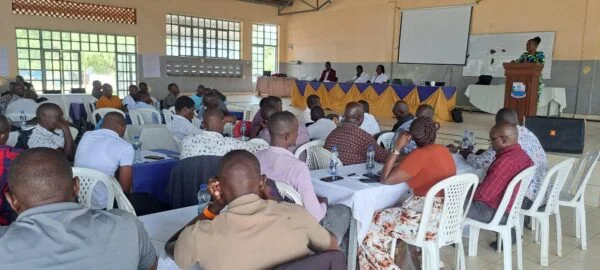
Kabete National Polytechnic is hosting the assessments, drawing trainees from its own institution alongside Machakos Technical Training Institute for the Blind, Eldoret National Polytechnic, Nairobi National Polytechnic and Kisii National Polytechnic.
To guarantee the exercise meets global standards, Gunjan Thakur, Master Trainer for the Community Health Programme, is moderating the assessment. Kabete National Polytechnic Chief Principal Patrick Muchemi said the involvement of an international moderator lends credibility to the qualification and strengthens its recognition beyond Kenya's borders.
Beyond certification, the diploma is built to give learners hands-on skills for supporting elderly people and persons with disabilities, positioning graduates for job opportunities both locally and internationally.
The diploma programme runs for 52 weeks, roughly a year of training. Trainers report that close to 40 weeks of instruction have already been delivered, putting the current cohort near the finish line.
Testing combines three components: written examinations, oral assessments and practical demonstrations, through which trainees must show they can apply what they have learned in real situations.
Thakur explained that the assessments exist to confirm trainees are genuinely prepared before they move into placements, where they will support people with disabilities and older persons in real working environments.
"We want to make sure that before placements, where students go into the real world to experience what it's like to work in an environment where people have disabilities, and where they are going to support aged people, we want to make sure they are ready," she said.
For Brenda Odila, a student on the programme, the assessment process has also been a chance to grow.
"I'm so happy to be here because we are here to expand our knowledge, and we are so happy to also engage with and know everything that we once didn't know," she said.
By Benedict Aoya
Reader Discussion (0)
Sign in to comment